
Chemical Peels in Toronto
A chemical peel is a professional exfoliation treatment that uses carefully selected acids to remove dull, damaged surface layers and reveal brighter, smoother skin beneath. At Beauty By Katia we tailor every peel to your skin — choosing from gentle lactic, mandelic and natural algae options to target tone, texture, acne and early aging.
From $155
1 hr 15 min
The Beauty By Katia promise
Free consultations
Every skin type is different. Katia assesses your skin and recommends what's truly best for you — at no charge.
Free follow-ups
Your care doesn't end at the appointment. Follow-ups are always included so your results stay on track.
Aftercare for every client
Clear, personalised aftercare and ongoing guidance come with every treatment, for every client.
What it can do for your skin
- Dull, uneven skin tone and texture
- Acne, breakouts and excess oil
- Hyperpigmentation, melasma and dark marks
- Fine lines and early signs of aging
- Enlarged pores and rough patches
Chemical peels explained: the gentle, superficial peels we offer
A chemical peel is a controlled exfoliation in which a precise solution of skin-friendly acids loosens the bonds between dead surface cells, encouraging them to shed and reveal the fresher skin underneath. Peels are commonly grouped by how deeply they work: superficial (light), medium, and deep. The depth determines how much of the skin is affected, how dramatic the change is, and how much recovery time is involved.
At Beauty By Katia we focus on superficial, surface-level peels, the gentlest and most versatile category. Our Lactic and Mandelic peels are alpha-hydroxy acid (AHA) peels that work primarily on the outermost layer of skin, while our Zena Algae Peel is a natural marine bio-peel rather than an acid formula. These treatments are designed to refresh, brighten, and smooth with minimal disruption to your routine.
We don't offer medium-depth or deep peels such as TCA or phenol formulas, which penetrate further, carry more risk, and require significant downtime and medical oversight. If your goals would be better served by a deeper treatment, Katia will tell you honestly during your consultation rather than push a peel that isn't the right fit.
- Superficial AHA peels (what we offer): light exfoliation of the outer skin, little to no true downtime, ideal for maintenance and gradual improvement
- Medium peels (not offered here): reach deeper layers, more visible change, more recovery required
- Deep peels (not offered here): TCA/phenol, performed under medical supervision with extended healing
Lactic vs Mandelic vs Zena Algae: which peel suits you
All three of our peels are gentle, but each has a personality. The right choice depends on your skin type, your main concern, and how sensitive your skin tends to be. Katia matches the peel to you during your free consultation, and the chosen peel can change over a series as your skin responds.
The Lactic Acid Peel uses lactic acid, an AHA derived from milk that is known for being hydrating as it exfoliates. Because lactic acid has a larger molecule, it tends to penetrate more gradually, making it a comfortable starting point for drier, more sensitive, or first-time skin that still wants brightening and softer texture.
The Mandelic Peel uses mandelic acid, an AHA with a larger molecule size that typically makes it one of the gentler acids while still encouraging cell turnover. Its antibacterial quality makes it a popular pick for acne-prone and congested skin, and it's often chosen when evening out tone and softening the look of melasma are priorities.
The Zena Algae Peel is the outlier in the best way: a natural, needle-free marine bio-peel built around plant and algae actives rather than chemical acids. It suits clients who prefer a plant-based treatment or whose skin doesn't love traditional acid peels, while still supporting a smoother, refreshed look.
- Lactic ($170): hydrating AHA, great for dry, sensitive, or first-time peel skin
- Mandelic ($170): gentle AHA with antibacterial benefits, often chosen for acne-prone or congested skin and uneven tone
- Zena Algae ($155): natural, needle-free marine bio-peel for those who prefer a plant-based, acid-free option
How chemical peels work: acids, cell turnover, and collagen
Your skin is constantly renewing itself, but that natural turnover slows with age, sun exposure, and certain skin conditions, which is why the surface can start to look dull, rough, or uneven. Acid peels work by lowering the skin surface pH and dissolving the glue-like bonds that hold dead cells together, so those tired cells release more easily and reveal newer skin beneath.
AHAs like the lactic and mandelic acids we use are water-soluble and work mainly on the surface, which is why they're well suited to tone, texture, and dryness. Our peels are gentle, superficial treatments rather than aggressive ones, chosen and timed for your skin.
By prompting the skin to renew more efficiently, peels can also support the deeper processes that keep skin looking healthy over time. Regular, gentle exfoliation may help stimulate collagen activity, which can contribute to firmer-feeling, more even skin with repeated treatments. Results build gradually and vary from person to person; a peel is a nudge to your skin's own renewal, not an overnight transformation.
What peels can address and who is an ideal candidate
Gentle peels are a flexible tool for a range of everyday skin concerns. They can help refine the look of uneven tone and rough texture, soften the appearance of acne marks and congestion, and bring a brighter, more refreshed quality to skin that has started to look tired or dull.
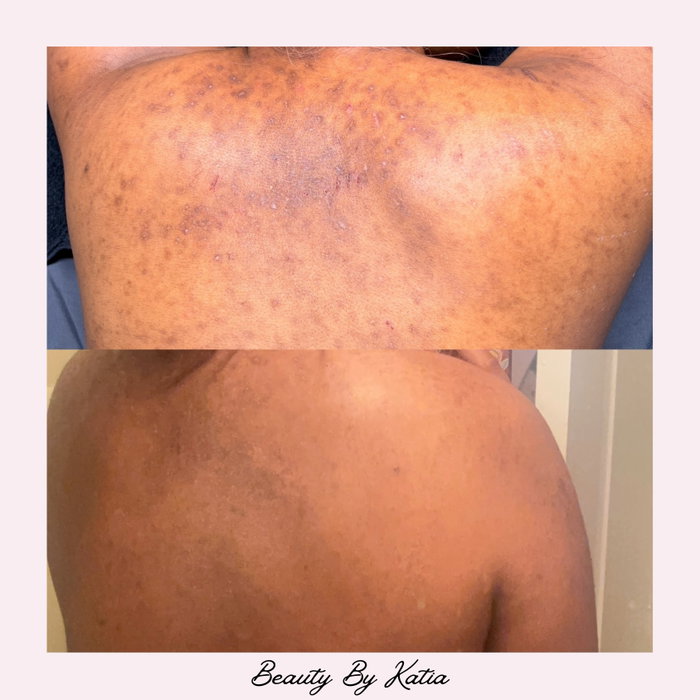
Peels are also often used as part of a longer-term approach to pigmentation concerns, including the look of sun spots and melasma, and to soften the appearance of early fine lines. Because results are gradual and cumulative, peels tend to reward consistency rather than a single dramatic session.
Good candidates are generally healthy adults looking to maintain and improve skin tone and texture who can commit to diligent sun protection afterward. Peels may not be appropriate for active skin infections, certain inflammatory conditions, recent sunburn, or during pregnancy and breastfeeding, and they require care with recent retinoid use. A free consultation lets Katia confirm a peel is right for you before any product touches your skin.
- Dull, tired-looking skin that needs a refresh
- Uneven tone, rough texture, and the look of enlarged pores
- Acne-prone, congested, or oily-feeling skin
- The appearance of pigmentation, sun spots, and melasma
- Early fine lines and the first signs of aging
What to expect, step by step, and how to prepare
Your first visit starts with a consultation. Katia reviews your skin history, current products, sun exposure, and goals, then selects the peel and strength that fit you. For sensitive skin or a first peel, a patch test or a conservative starting strength may be recommended so we can see how your skin responds before going further.
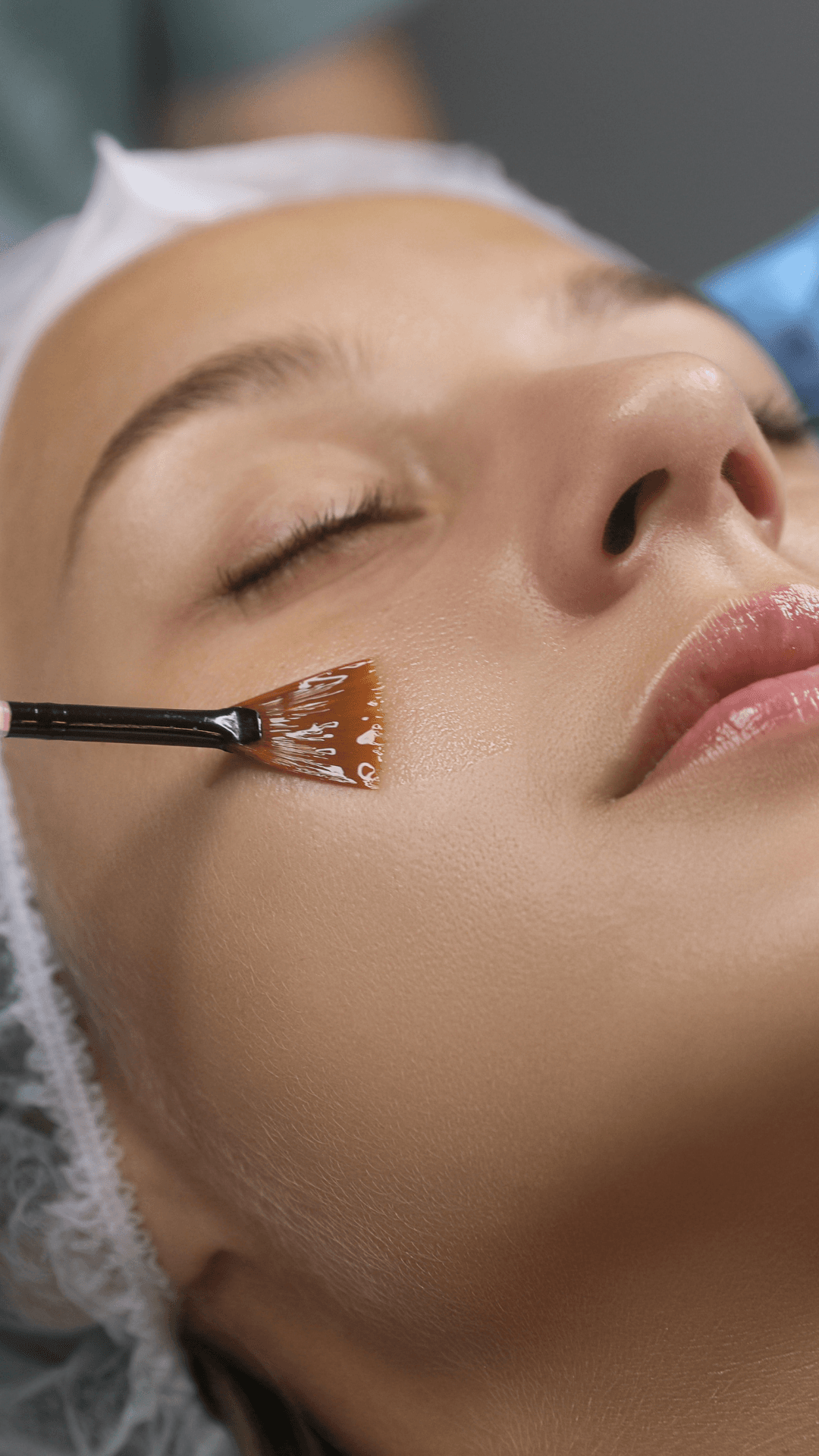
On treatment day, your skin is cleansed and prepped, then the peel solution is applied and left on for a carefully timed period while Katia monitors your skin closely. You may feel a mild tingling or warmth, which is normal. The solution is then neutralised or removed, and the treatment is finished with soothing, protective products and sunscreen.
A little preparation helps you get the most from your peel and lowers the chance of irritation. Avoid sunburn and heavy sun exposure in the days before, follow any instructions about pausing retinoids and exfoliating acids beforehand, come in with clean skin, and ideally plan your peel for a stretch when you can be gentle with your skin afterward.
- Consultation and skin assessment to choose the right peel and strength
- Cleanse and prep the skin
- Apply the peel for a timed, monitored period (mild tingling is normal)
- Neutralise or remove, then soothe
- Finish with protective products and sunscreen, plus aftercare guidance
Results, timeline, and a recommended series
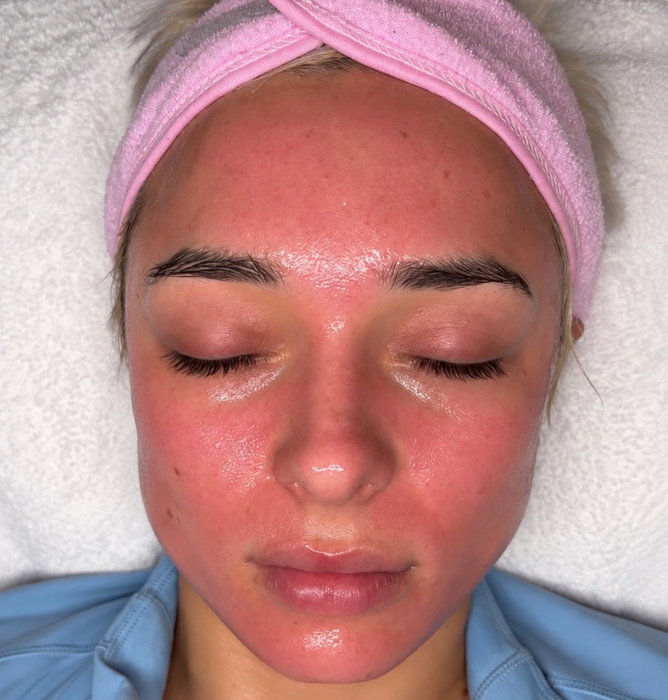
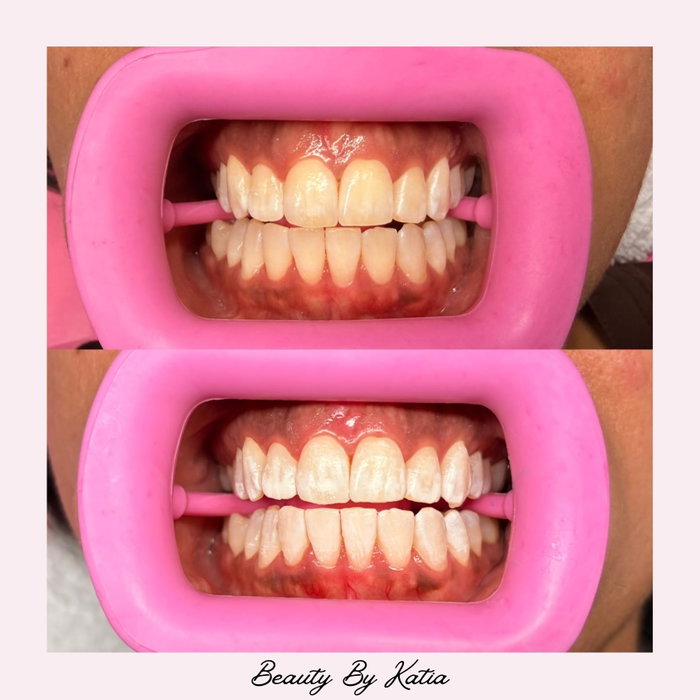
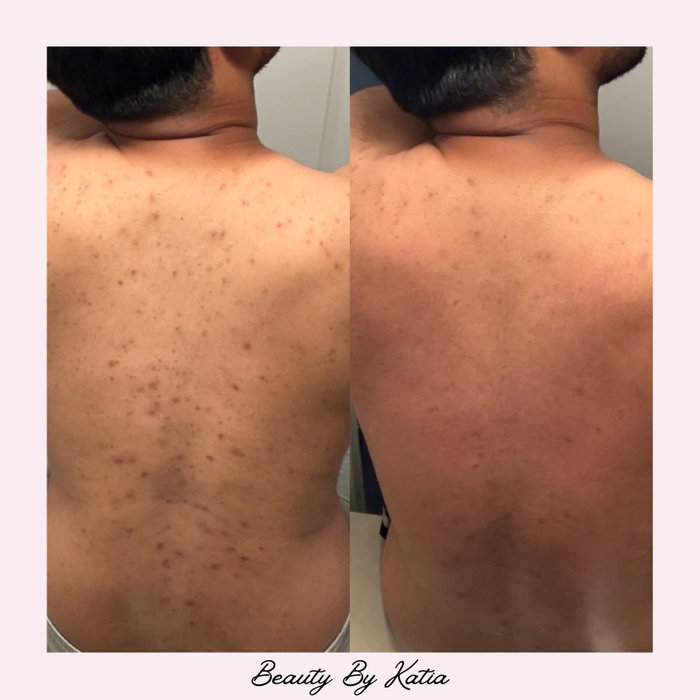
Because our peels are gentle and superficial, the changes are typically subtle and progressive rather than dramatic. In the first days after a peel many people notice skin that looks fresher and feels smoother, and any light flaking generally settles within about a week. Results vary from person to person and depend on your skin and concern.
For concerns like uneven tone, texture, congestion, or the look of pigmentation, a series usually delivers the most satisfying results. Many clients do best with a short series spaced a few weeks apart so the skin has time to recover and renew between sessions; Katia recommends a cadence based on the peel chosen and how your skin responds.
Once you've reached the look you're after, periodic maintenance peels can help you hold your results. Think of peels as part of an ongoing skincare rhythm rather than a single fix, and pair them with a good home routine and daily sun protection for the best long-term outcome.
Aftercare, downtime, and safety considerations
Aftercare is where results are protected. Fresh skin is more vulnerable, so keep your routine simple and gentle for several days: hydrate, avoid harsh scrubs and active acids until your skin has settled, and never pick or peel flaking skin, which can lead to irritation or marks. Katia gives you specific guidance tailored to the peel you received.
Sun sensitivity is the most important safety point. Peels make your skin more vulnerable to the sun, so daily broad-spectrum sunscreen and sensible sun avoidance are essential before and after treatment to protect your results and reduce the risk of new pigmentation. You should also pause retinoids and other strong actives around your peel as advised.
Some situations call for extra caution or a different plan. Peels are generally avoided during pregnancy and breastfeeding, with active cold sores, broken or infected skin, or recent sunburn. Deeper skin tones can be more prone to post-inflammatory pigmentation with overly aggressive exfoliation, which is exactly why we keep treatments gentle and personalised. Discuss any medical skin condition or medication during your consultation so Katia can advise whether a peel is right for you.
- Keep skincare gentle and hydrated for several days; avoid scrubs and active acids until settled
- Don't pick or pull at any flaking skin
- Wear broad-spectrum sunscreen daily and limit sun exposure
- Pause retinoids and strong actives as advised before and after
- Avoid peels during pregnancy/breastfeeding, with cold sores, broken or sunburned skin
- Mention skin conditions or medications; deeper skin tones are treated with extra care
Why choose Beauty By Katia in Toronto for chemical peels
At Beauty By Katia, peels are never off the shelf. Katia is a certified medical aesthetician who matches the peel, strength, and cadence to your skin, your concern, and your comfort, starting conservatively and building as your skin earns it. Because every skin type is different, it all begins with a free consultation.
Our Toronto studio is built around an honest, unhurried experience. You get a real consultation, clear expectations about what gentle superficial peels can and can't do, and aftercare guidance you can actually follow. Free follow-ups and aftercare are included for every client, so you're supported between sessions.
If you're searching for a chemical peel in Toronto and want a thoughtful practitioner rather than a rushed appointment, we'd love to see you. Book a consultation and Katia will help you decide whether a Lactic, Mandelic, or Zena Algae peel is the best starting point for your skin.
Happy Clients
★★★★★ 5.0 on Google · 55 five-star reviews
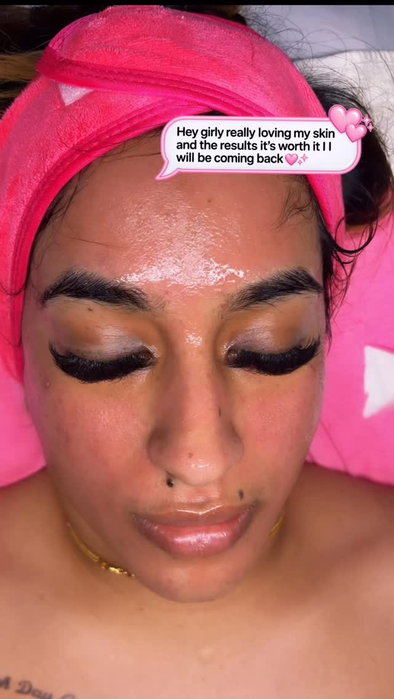
“Katia has been friendly and understanding from the beginning of my consultation to my appointments — my skin and acne scars have truly never looked better in just 3 sessions! Book with her to start your skincare journey.”
“Hands down, this was the best facial experience I've ever had. Katia was incredibly sweet, attentive, and so detailed with every step of my treatment. She made the whole appointment feel personalized and truly tailored to me. I left feeling refreshed and glowing. Highly recommend booking with her for your next skin refresh.”
“My experience with Katia was amazing from beginning to end. I found her on Instagram, sent her a pic of my face, and she correctly recommended the treatment that would best suit me. She is very knowledgeable and honest, and I really appreciate that. She made my first Zena algae peel experience very comfortable and the result is wonderful. I can't wait for my next appointment.”
Chemical Peel questions
How much does a chemical peel cost in Toronto?+
At Beauty By Katia our peels start at $155 (Zena Algae Peel) and include lactic and mandelic peels at $170. Across Toronto, professional chemical peels generally range from about $150 to $400 per session depending on the type and strength.
Are chemical peels actually good for your face?+
Yes — when performed by a trained aesthetician and matched to your skin, peels safely exfoliate, brighten tone, smooth texture and help with acne and pigmentation. Choosing the right acid and strength is key, which is exactly what your consultation with Katia is for.
Can I get a chemical peel if I use tretinoin or retinol?+
You'll usually be asked to pause retinoids for several days before and after a peel, as they increase sensitivity. Always tell Katia about your active skincare so she can adjust the peel and timing safely.
Is there downtime after a chemical peel?+
Light peels have little to no downtime beyond some tightness and mild flaking over a few days. Stronger peels may peel more visibly. Sun protection afterward is essential, and we'll give you full aftercare.
Will my skin actually peel, and how much?+
It varies. Because our peels are gentle and superficial, many people experience only light flaking or none at all rather than the dramatic sheeting some imagine. Any visible flaking usually settles within roughly a week. How much you peel is not a measure of how well the treatment worked.
Can I get a chemical peel if I have melasma or a darker skin tone?+
Often yes, but it must be done carefully. Gentle peels are commonly used to soften the look of melasma, and deeper skin tones can be more prone to post-inflammatory pigmentation, which is why we keep treatments mild and personalised. Katia may start conservatively or patch test first, and diligent sun protection is essential. Results vary.
How often should I get a chemical peel?+
For most concerns a short series spaced a few weeks apart works best, giving skin time to recover and renew between sessions. After reaching your goal, periodic maintenance peels can help you hold your results. Katia recommends a cadence based on the peel chosen and how your skin responds.
Can I wear makeup after a chemical peel?+
We typically recommend giving freshly treated skin a short break from makeup, often for the rest of the day or a little longer, so it can settle. When you do return to makeup, keep things gentle and clean. Katia gives you specific timing based on the peel you received.
Chemical peel vs microdermabrasion: what's the difference?+
Both exfoliate, but in different ways. A chemical peel uses acids or active ingredients to loosen and shed dead surface cells, while microdermabrasion physically buffs the surface with a mechanical device. Peels can be tailored to specific concerns like tone, congestion, and the look of pigmentation. Which suits you depends on your skin and goals.
You might also like
Microdermabrasion
Microdermabrasion in Toronto at Beauty By Katia.
Explore →
Zena Algae Peel
The Zena Algae Peel in Toronto at Beauty By Katia — a natural, needle-free bio-peel using marine spicules to boost collagen and treat acne, scarring, aging and pigmentation.
Explore →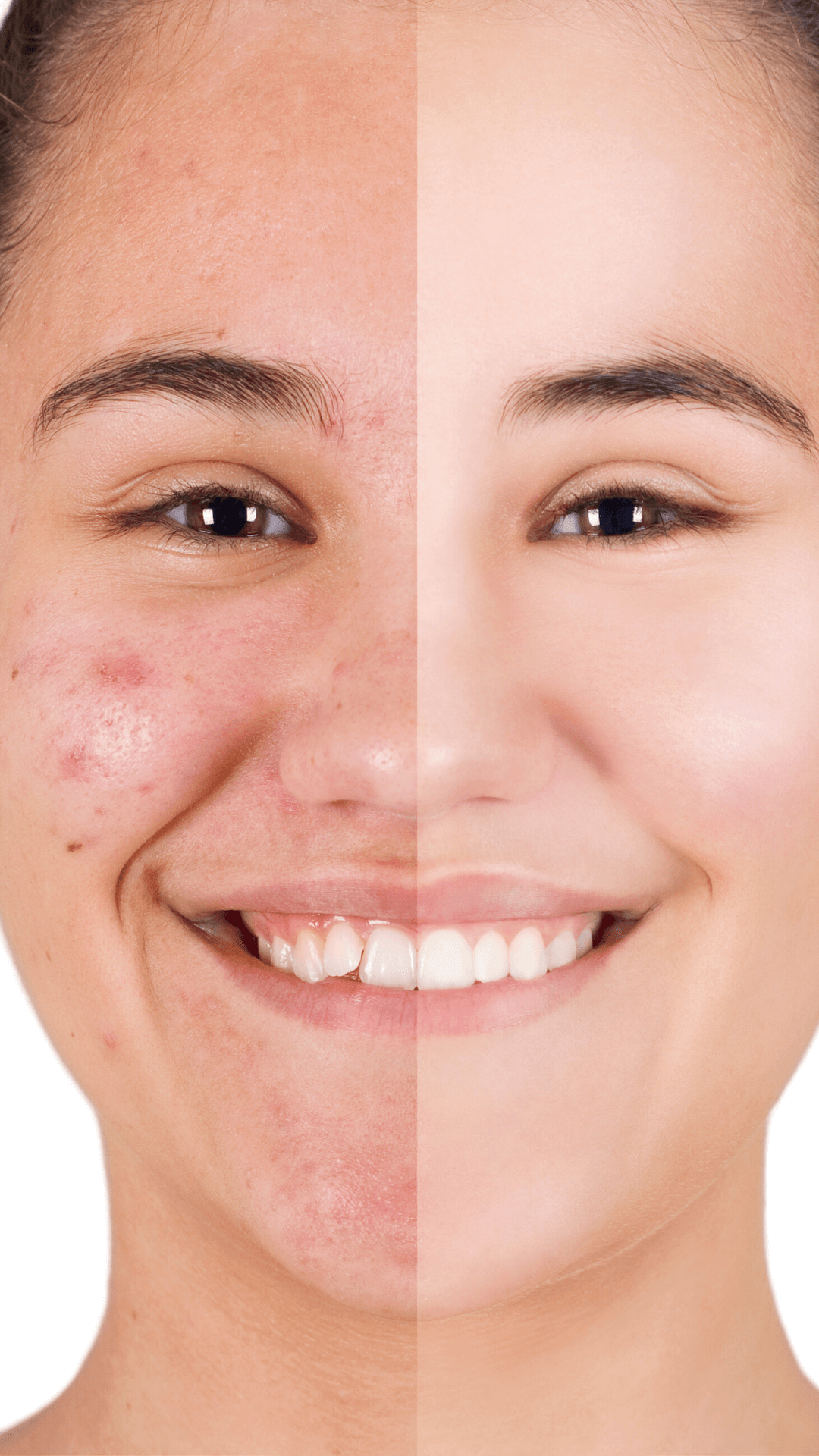
Acne Facial
Acne facial in Toronto at Beauty By Katia.
Explore →