
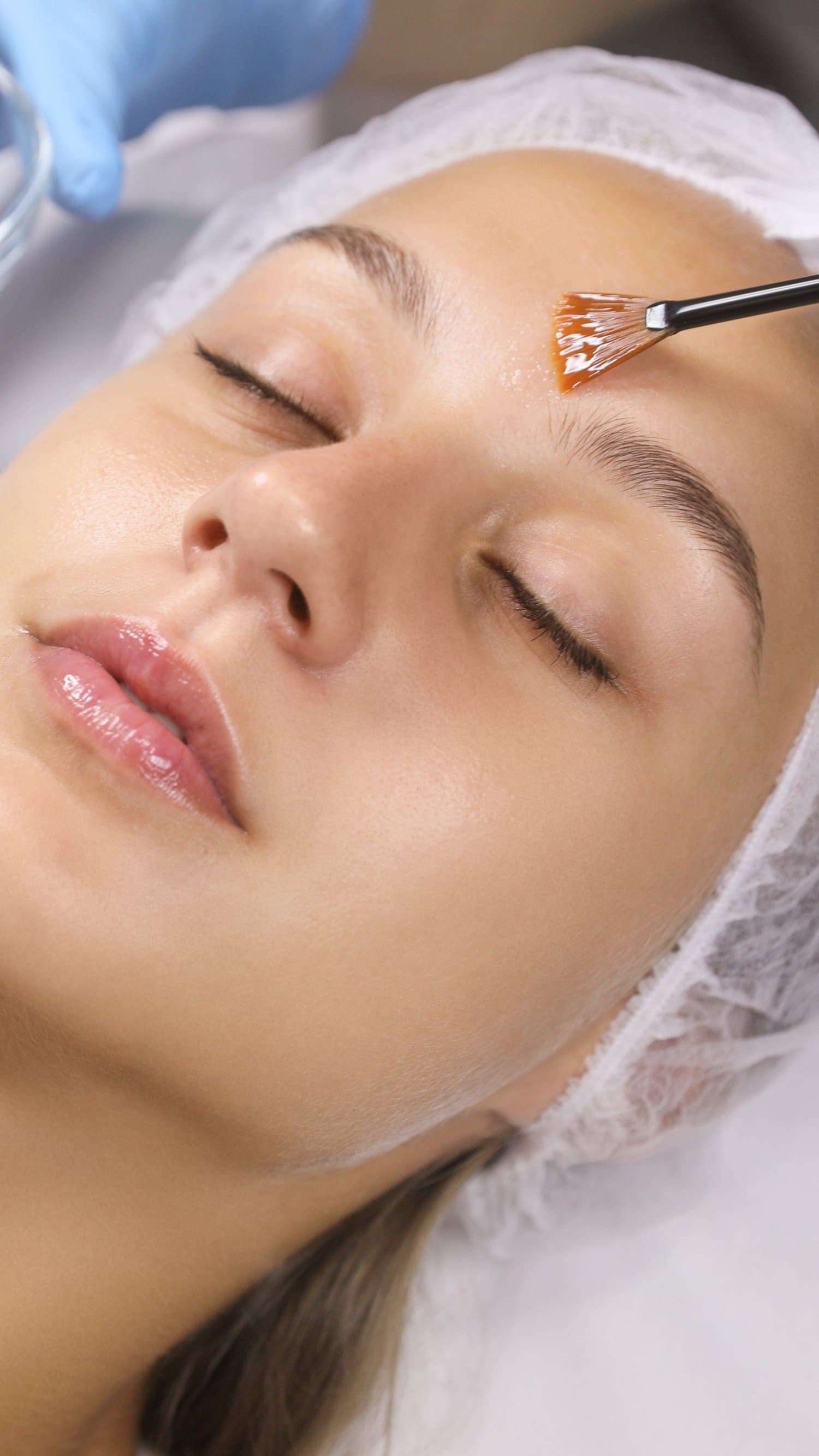
Dermaplaning in Toronto
Dermaplaning is a gentle, painless exfoliation that uses a sterile blade to remove dead surface skin and fine vellus hair (peach fuzz). The result is instantly smoother, brighter skin that takes makeup flawlessly and lets your skincare absorb better — a quick, no-downtime glow-up at Beauty By Katia in Toronto.
$155
The Beauty By Katia promise
Free consultations
Every skin type is different. Katia assesses your skin and recommends what's truly best for you — at no charge.
Free follow-ups
Your care doesn't end at the appointment. Follow-ups are always included so your results stay on track.
Aftercare for every client
Clear, personalised aftercare and ongoing guidance come with every treatment, for every client.
What it can do for your skin
- Instantly smoother, brighter skin
- Removes peach fuzz for a flawless makeup finish
- Sloughs away dead, dull surface cells
- Boosts absorption of serums and treatments
- No downtime — perfect before an event
What dermaplaning actually does to your skin
Dermaplaning is a form of manual physical exfoliation. Using a sterile, single-use surgical blade held at a careful angle, Katia gently shaves away the outermost layer of dead, built-up skin cells along with the fine vellus hair most people call peach fuzz. It's not a chemical process and doesn't rely on acids or abrasive grit, which is part of why so many sensitive-skinned clients in Toronto find it more comfortable than scrubs or harsh peels.
That top layer of dead cells is called the stratum corneum, and over time it can make even healthy skin look dull, flat, and uneven. When it's lifted away, fresh skin is revealed underneath and light reflects off the surface more evenly, which is where that lit-from-within glow comes from. The fine hair removal is a bonus rather than the main event.
Because dermaplaning only addresses the surface, it's a controlled, low-risk treatment when performed by a trained hand. The depth is shallow and deliberate, which is very different from anything you'd attempt at home with a drugstore tool.
How dermaplaning differs from shaving, scrubs, and at-home tools
People often assume dermaplaning is just facial shaving, but the technique, tool, and goal are different. A razor cuts hair flush with the skin; a dermaplaning blade is held at roughly a 45-degree angle specifically to exfoliate dead cells as it removes the vellus hair. The professional setting also matters: a sterile blade, proper skin prep, and an experienced angle reduce the risk of nicks, irritation, and uneven results.
Compared with a physical scrub, dermaplaning offers more even exfoliation without the micro-tears that gritty particles can cause. Compared with at-home gadgets, a professional treatment uses a sharper, single-use medical blade and the judgement of someone who can read your skin in real time.
This is why dermaplaning is best thought of as a skin-health treatment rather than a hair-removal shortcut. The smoothness and glow are the real reasons to book it; losing the peach fuzz is simply a welcome side effect.
- Blade angle is for exfoliation, not just cutting hair flush
- Single-use sterile medical blade instead of a reusable razor
- Even, controlled exfoliation without the micro-tears of gritty scrubs
- Performed by a trained practitioner who adjusts to your skin in the moment
The peach-fuzz myth, explained honestly
The single most common worry we hear is that dermaplaning will make peach fuzz grow back thicker, darker, or coarser. This is a myth. The vellus hair on your face returns at the same fine, soft texture and the same colour it always was. Cutting hair at the surface doesn't change the follicle, so it cannot change how thick or dark the hair grows.
The reason the myth persists comes down to how a freshly cut hair feels. When a hair is trimmed at the surface, the regrowing tip can feel slightly blunt for a short time compared with a hair that tapers to a natural fine point. That blunt feel is temporary and is a sensation, not an actual change in thickness, density, or pigment.
It's worth being clear about the distinction: dermaplaning removes vellus (fine, soft) hair, not coarse terminal hair like beard or chin hairs. If you have coarse hair in certain areas, dermaplaning isn't the right tool for it, and Katia will tell you that directly during your consultation.
Who dermaplaning suits and who should wait
Dermaplaning is well suited to most skin types and is a favourite for people who want smoother makeup application, a brighter complexion, or relief from dull, flaky surface texture. It's also a comfortable option for those who find chemical exfoliants too irritating, and it can be a gentle choice during pregnancy when many other treatments are off the table, though we always recommend confirming with your own healthcare provider first.
There are situations where it's better to wait. Active or inflamed acne, pustules, and cystic breakouts are reasons to hold off, because a blade can aggravate already-irritated skin and potentially spread bacteria. Very reactive skin, active eczema or psoriasis in the treatment area, open cuts, cold sores, or sunburn also mean dermaplaning should be postponed until the skin has settled.
If you use prescription retinoids or have recently had a strong peel or laser, mention it ahead of time so timing can be adjusted. Because every person's skin is different, the honest answer for your situation comes from a free consultation.
- Great for: dull or flaky surface texture, smoother makeup, sensitive skin that reacts to actives
- Wait if: active or cystic acne, inflamed or broken skin, sunburn, or an active cold sore
- Flag first: retinoid use, recent peels or laser, or any chronic skin condition in the area
What your appointment looks like, step by step
Your visit begins with a quick check-in about your skin, your goals, and anything you've used recently, so the treatment can be tailored to you. Katia then thoroughly cleanses and dries the skin, since dermaplaning is performed on clean, dry skin for the blade to glide smoothly and safely.
During the treatment, your skin is held taut while the blade is drawn across the surface in short, light, feather-like strokes. Most people describe the sensation as a faint tickling or a soft scratching feeling rather than anything painful, and many find it genuinely relaxing. The active part is typically quick, though the full appointment may run longer when paired with other steps.
Afterward, Katia applies nourishing, calming products suited to your skin and finishes with sun protection. There's no recovery period, so you can return to your day right away, which is why dermaplaning is such a popular pre-event pick-me-up.
Results, cadence, and treatments it pairs well with
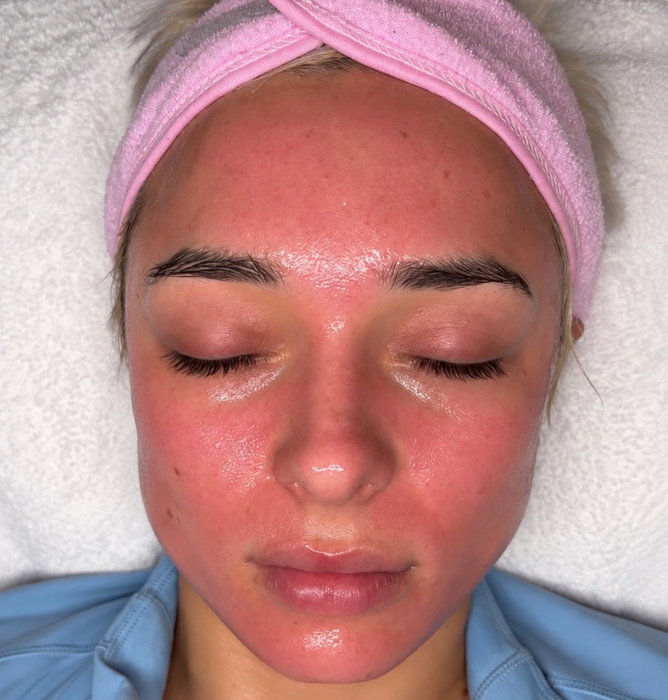
The immediate payoff is what makes dermaplaning so satisfying: skin typically looks smoother and brighter the moment you leave, and makeup tends to sit more evenly with no fine hairs catching the light. Results are immediate but not permanent, since your skin naturally renews itself and the vellus hair gradually returns at its usual soft texture. Results vary depending on your skin and routine.
Because it works with your skin's natural renewal cycle, dermaplaning is generally repeated on a regular cadence rather than as a one-off, and Katia will suggest a rhythm that fits your skin. Keeping a steady schedule helps maintain that consistently smooth surface over time.
Dermaplaning also makes an excellent first step before other treatments. By clearing away dead cells and fine hair, it can help a chemical peel or hydrating treatment penetrate more evenly. It can be added onto other facials at Beauty By Katia, and Katia confirms whether that combination is right for you based on how your skin is doing.
Aftercare and keeping fresh skin protected
Because dermaplaning reveals a fresh, newly exposed layer of skin, sun protection is the single most important aftercare step. Freshly exfoliated skin is more sensitive to UV light, so daily broad-spectrum sunscreen and limiting direct sun for the first few days help protect your results. This matters year-round in Toronto, including on overcast and winter days.
For the first day or two, keep your routine gentle. It's best to pause strong actives such as retinoids, exfoliating acids, and harsh scrubs, focusing instead on hydrating, soothing products. Mild temporary redness or a slight tight feeling can happen and usually settles quickly.
Every client at Beauty By Katia receives clear, personalised aftercare guidance, and follow-up support is always available at no extra charge if you have questions once you're home. You're never left guessing about how to care for your skin between visits.
- Use broad-spectrum SPF daily and limit direct sun for the first few days
- Pause retinoids, acids, and scrubs for a day or two
- Lean on gentle, hydrating, barrier-supporting products
- Reach out anytime with aftercare questions, included at no cost
Why choose Beauty By Katia for dermaplaning in Toronto
Beauty By Katia is a Toronto medical-aesthetics studio led by Katia, a certified medical aesthetician who treats dermaplaning as a skin-health service, not an assembly-line add-on. Because every person's skin is different, Katia offers a free consultation before treatment so your skin can be properly assessed and your plan tailored to you.
That personal attention continues after your appointment. Every client receives free follow-ups and aftercare support, so if a question comes up about your results or routine, you have a knowledgeable local practitioner to turn to without an added fee.
Dermaplaning is $155 and can also be added to other facials, and the easiest way to find out whether it suits your skin and goals is to book a free consultation.
Happy Clients
★★★★★ 5.0 on Google · 55 five-star reviews
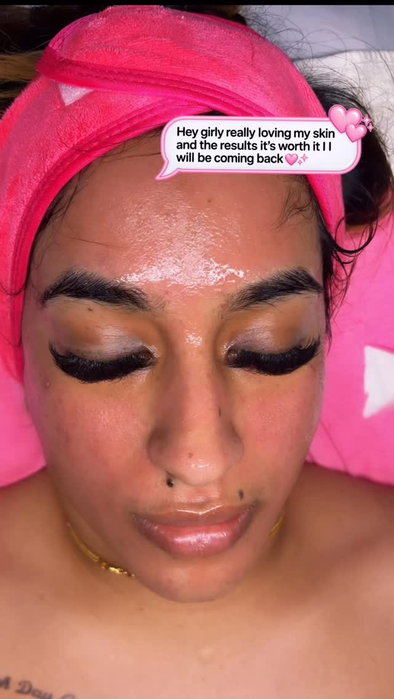
“Katia has been friendly and understanding from the beginning of my consultation to my appointments — my skin and acne scars have truly never looked better in just 3 sessions! Book with her to start your skincare journey.”
“Hands down, this was the best facial experience I've ever had. Katia was incredibly sweet, attentive, and so detailed with every step of my treatment. She made the whole appointment feel personalized and truly tailored to me. I left feeling refreshed and glowing. Highly recommend booking with her for your next skin refresh.”
“My experience with Katia was amazing from beginning to end. I found her on Instagram, sent her a pic of my face, and she correctly recommended the treatment that would best suit me. She is very knowledgeable and honest, and I really appreciate that. She made my first Zena algae peel experience very comfortable and the result is wonderful. I can't wait for my next appointment.”
Dermaplaning questions
Will the hair grow back thicker after dermaplaning?+
No — this is a common myth. Dermaplaning removes fine vellus (peach-fuzz) hair, which grows back at the same soft texture as before. It does not change the thickness or colour of your hair.
How much does dermaplaning cost in Toronto?+
Dermaplaning at Beauty By Katia is $155, and can also be added to another facial. Contact us to book or to combine it with a peel or hydrating treatment.
How often can I get dermaplaning?+
Roughly every 3–4 weeks works well for most clients, aligning with the skin's natural renewal cycle. Katia can advise based on your skin.
Is dermaplaning safe for all skin types?+
Dermaplaning suits most skin types, but it's generally avoided on active acne or very sensitive, inflamed skin. Katia will assess your skin first to make sure it's the right choice.
Does dermaplaning make hair grow back darker or thicker?+
No. This is a common myth. Vellus hair (peach fuzz) returns at the same fine texture and the same colour it was before. Shaving hair at the surface doesn't change the follicle, so it cannot change thickness or pigment. A regrowing hair may feel slightly blunt for a short time, but that's a temporary sensation, not an actual change.
Does dermaplaning hurt?+
Most people find dermaplaning painless. The blade is drawn across the skin in light, feather-like strokes, and the sensation is usually described as a faint tickle or a soft scratching feeling. Many clients find it relaxing. There's no numbing required and no recovery time afterward.
Will dermaplaning cause breakouts?+
For most people, no. By removing dead cells and fine hair, dermaplaning can actually help keep the surface clear. Some skin may show mild, temporary redness right after. Because active acne can be aggravated by a blade, Katia assesses your skin first and will recommend waiting if your skin is currently broken out.
Can I have dermaplaning if I have acne?+
It depends on the type. Dermaplaning is generally avoided over active, inflamed, or cystic acne, since a blade can irritate the area and potentially spread bacteria. If you have acne-prone skin that's currently calm, it may still be an option. The right answer comes from a free consultation.
Is dermaplaning good before an event or photos?+
Yes, it's one of the most popular pre-event treatments. Skin typically looks smoother and brighter immediately, makeup applies more evenly with no fine hairs catching the light, and there's no downtime. Many people like to book it a day or two ahead so the skin has a moment to settle.
Can I combine dermaplaning with a peel or another facial?+
Often, yes. Dermaplaning clears away dead cells and fine hair, which can help a peel or hydrating treatment absorb more evenly, and it can be added onto other facials at Beauty By Katia. Whether a particular combination is suitable on a given day depends on your skin, and Katia confirms this before treatment.
You might also like
Microdermabrasion
Microdermabrasion in Toronto at Beauty By Katia.
Explore →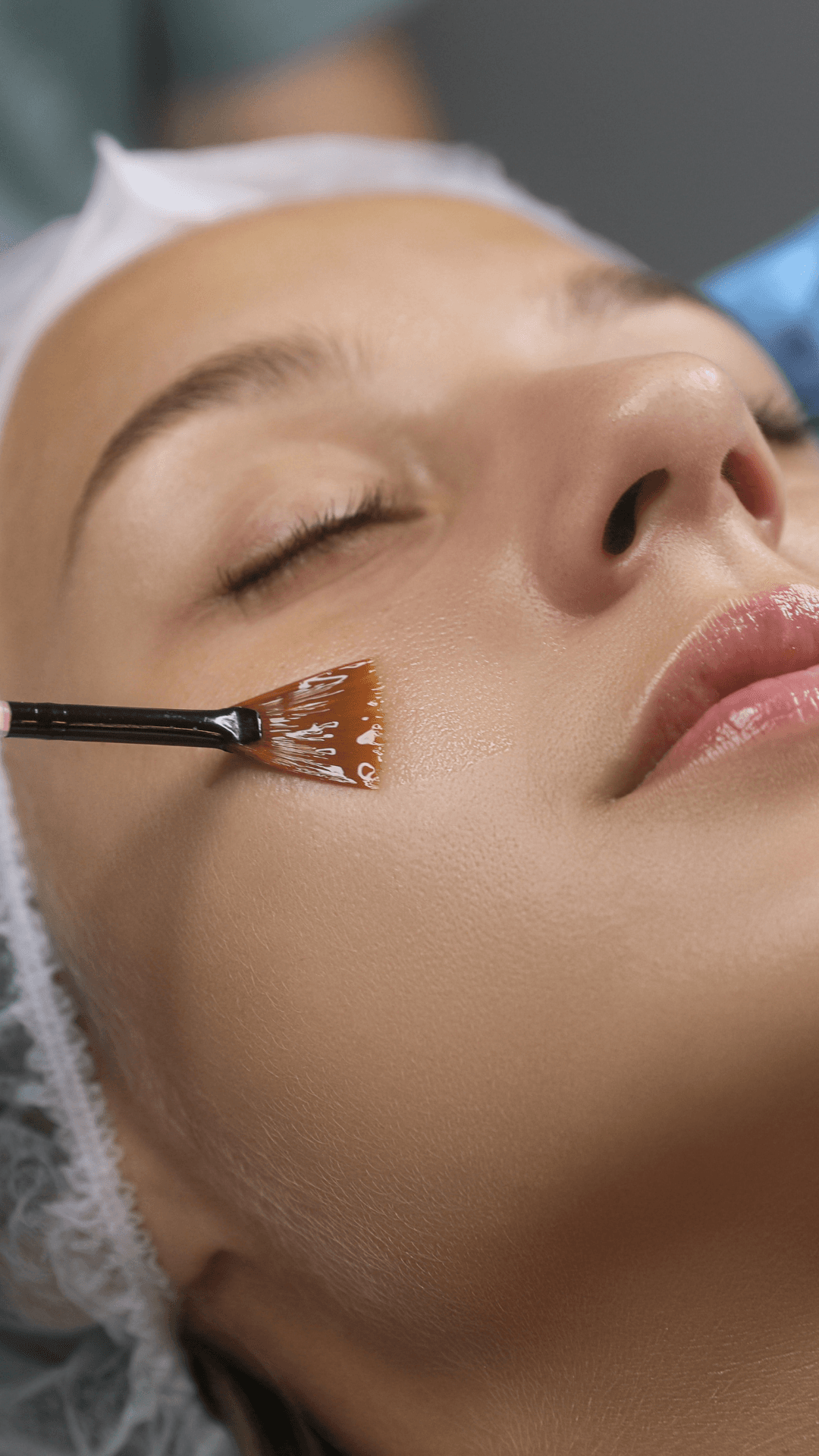
Chemical Peel
Customised chemical peels in Toronto at Beauty By Katia — lactic, mandelic and natural algae peels to brighten tone, smooth texture and clear acne.
Explore →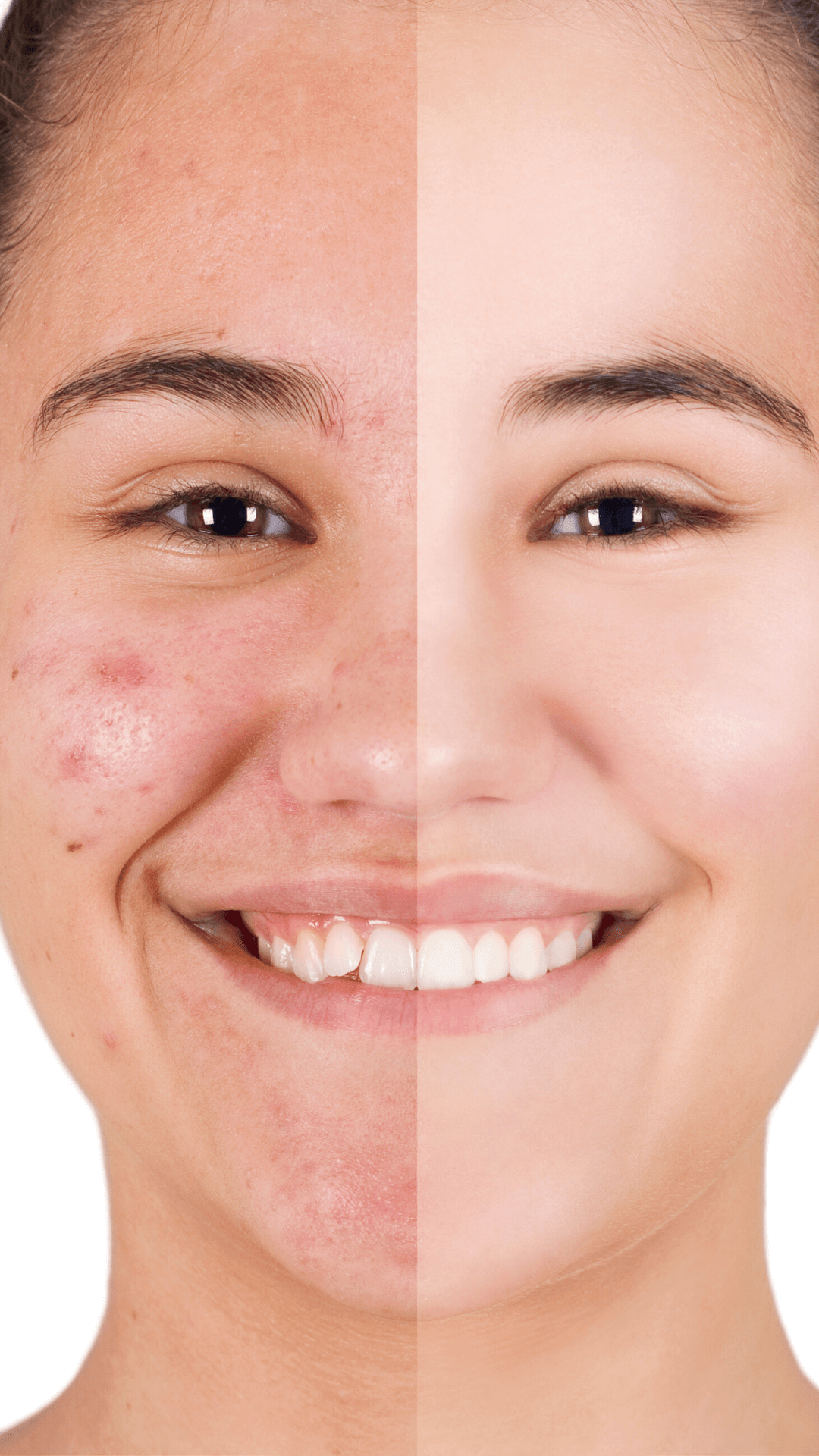
Acne Facial
Acne facial in Toronto at Beauty By Katia.
Explore →