PDRN Microneedling in Toronto
PDRN microneedling combines collagen-induction microneedling with PDRN (polynucleotides) — regenerative ingredients derived from purified DNA fragments that are prized for their skin-repairing and hydrating properties. It's one of the fastest-growing rejuvenation treatments, and Katia offers it as a premium add-on at Beauty By Katia in Toronto.
$190
1 hr 30 min
The Beauty By Katia promise
Free consultations
Every skin type is different. Katia assesses your skin and recommends what's truly best for you — at no charge.
Free follow-ups
Your care doesn't end at the appointment. Follow-ups are always included so your results stay on track.
Aftercare for every client
Clear, personalised aftercare and ongoing guidance come with every treatment, for every client.
What it can do for your skin
- Supports skin repair and renewal
- Boosts hydration and elasticity
- Helps calm and rejuvenate tired, dull skin
- Complements treatment of fine lines and post-acne texture
- Pairs naturally with microneedling's collagen response
Understanding polynucleotides: the science behind PDRN
PDRN stands for polydeoxyribonucleotide, a regenerative molecule built from purified, fragmented strands of DNA. In aesthetics it sits within a family of ingredients called polynucleotides, prepared so they can be applied safely to the skin. The PDRN used in skincare is most often sourced from purified salmon or trout DNA, because the genetic sequence is highly compatible with human DNA and easy to purify to a high standard.
What makes these molecules interesting is that they're biologically active rather than inert. Once delivered into the skin, the fragmented DNA chains are thought to act as a kind of scaffold and signalling source that supports the skin's own repair pathways. This is a different philosophy from a filler or a typical hydrating serum: instead of adding volume or sitting on the surface, polynucleotides aim to encourage the skin to behave like younger, healthier tissue.
It's worth being clear-eyed about where this sits. Polynucleotide and PDRN treatments are an emerging, fast-evolving area of medical aesthetics, and the research base is still maturing. The science is promising, but PDRN microneedling is best understood as a skin-support and rejuvenation treatment rather than a guaranteed or permanent fix. Katia will always set realistic expectations during your consultation.
How PDRN works together with microneedling
Microneedling on its own works through controlled micro-injury. A device with fine needles creates thousands of tiny channels in the skin, which triggers the body's natural wound-healing cascade and a collagen-induction response. This is why microneedling can gradually improve texture, firmness, and the look of fine lines over a series.
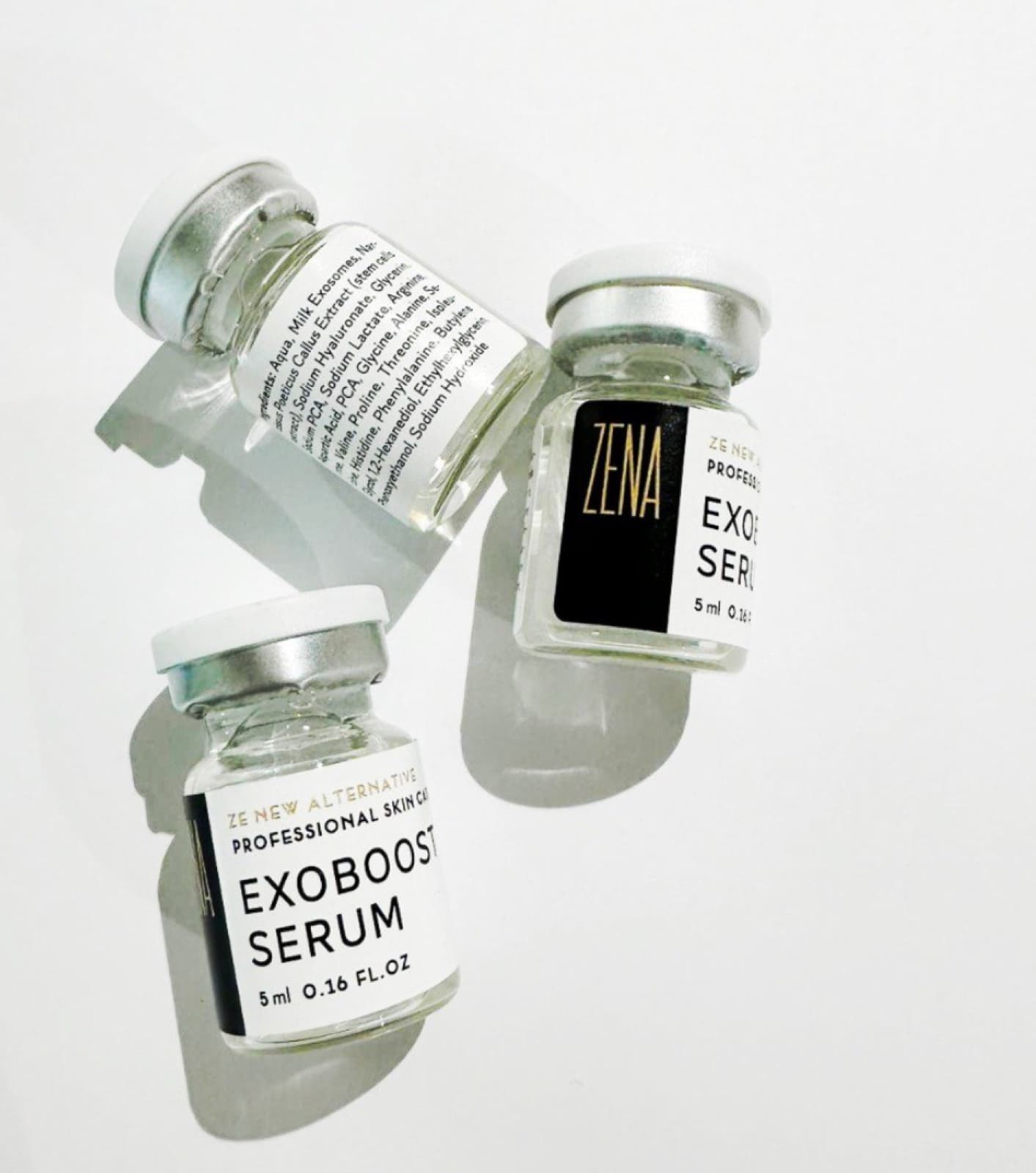
Adding PDRN turns those micro-channels into delivery pathways. Because the channels are open during and immediately after the pass, the polynucleotide serum can reach deeper layers than topical application alone would allow. The microneedling provides the regenerative trigger, and the PDRN is positioned to support the repair phase that follows.
The intended result is a complementary, two-part action: microneedling stimulates collagen and remodelling, while the polynucleotides aim to support hydration, elasticity, and the quality of the healing response. In practice this can mean skin that looks more rested and even over time, though the degree of change varies and depends heavily on consistency and aftercare.
- Microneedling: creates micro-channels and triggers a collagen-induction and wound-healing response
- PDRN serum: delivered into those channels to support repair, hydration, and elasticity
- Combined goal: smoother texture, improved firmness, and a healthier-looking barrier over a series
- The mechanism is supportive and gradual, not an instant or permanent transformation
Who PDRN microneedling is best for
PDRN microneedling tends to suit people whose main concerns are skin quality and resilience rather than a single isolated problem. It's often a good match for dull, tired-looking skin that has lost its glow, for dehydrated skin that never seems to hold moisture, and for early signs of aging such as fine lines, mild laxity, and a loss of bounce.
It's also frequently considered by clients with post-acne texture and uneven tone who want to support the skin's repair process as part of a longer plan. Because the treatment leans on regeneration rather than aggressive resurfacing, it can be an appealing option for those who want a measured, build-it-up approach.
It isn't right for everyone, and good candidacy is decided in person. Active acne breakouts, an active skin infection or cold sore, certain skin conditions, pregnancy or breastfeeding, and a known sensitivity to fish or marine-derived products are all reasons to pause and discuss alternatives. A free consultation with Katia is the proper way to confirm suitability.
- Dull, tired skin wanting a fresher, more rested look
- Dehydrated skin that struggles to hold moisture
- Early aging concerns: fine lines, mild laxity, loss of elasticity
- Post-acne texture and uneven tone, as part of a longer plan
- Anyone wanting a regeneration-focused rather than aggressive approach
PDRN vs exosomes vs PRP: an honest comparison
These three add-ons are often discussed together because each can be paired with microneedling, but they work in genuinely different ways. PDRN and polynucleotides are regenerative molecules from purified DNA fragments, focused on supporting repair, hydration, and elasticity, from a controlled, standardized source.
Exosomes are tiny vesicles that carry growth-factor and signalling cues, aiming to deliver concentrated communication signals that may help drive healing and rejuvenation. They're a newer, rapidly developing category, and as with PDRN the evidence base is still building.
PRP, or platelet-rich plasma, is the original of the three. It uses a small sample of your own blood, spun in a centrifuge to concentrate platelets and their growth factors. Its appeal is that it's autologous, but it involves a blood draw and depends on your own physiology that day. There's no single best option; the right choice depends on your skin, goals, and comfort, which Katia will walk through with you.
What to expect, step by step
Your appointment begins with a short consultation and skin assessment so Katia can confirm the plan, review your history, and answer questions. The skin is then thoroughly cleansed and a topical numbing cream is applied and given time to take effect, which keeps the treatment comfortable.
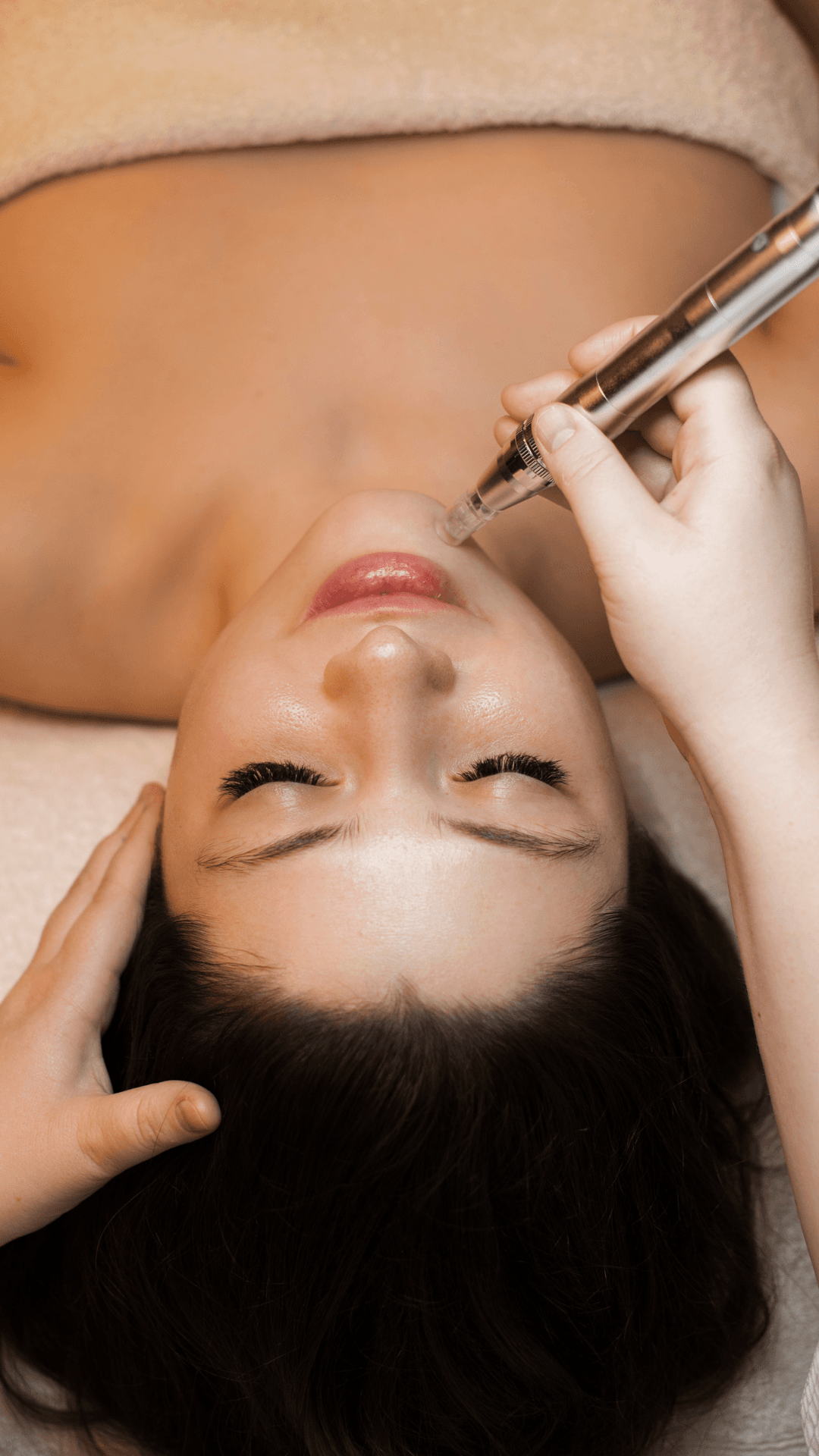
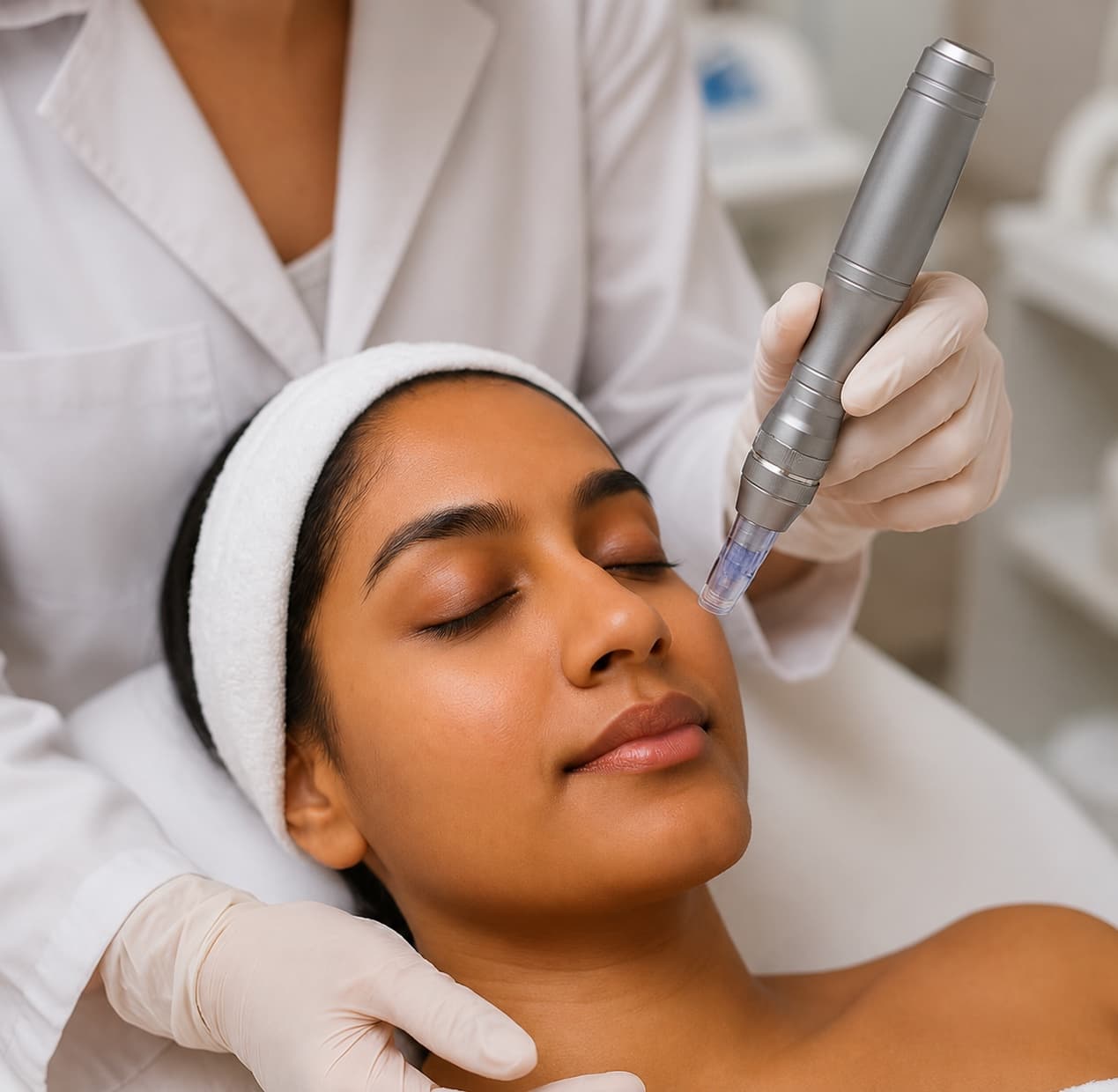
Once the skin is numb, Katia performs a controlled microneedling pass tailored to your skin, creating the micro-channels that both stimulate collagen and allow the PDRN serum to be delivered. The polynucleotide serum is worked into the skin during and after the pass while the channels are still receptive.
The treatment is finished with soothing, barrier-supporting products and sun protection, along with clear aftercare guidance. The full visit is unhurried; plan to set aside around an hour and a half so nothing is rushed.
Results, timeline, and the recommended series
PDRN microneedling is a gradual treatment, and the first thing many people notice in the initial week or two is a fresher, more hydrated, slightly plumper look as the skin settles and recovers. This early glow is encouraging, but it isn't the main event.
The more meaningful changes in texture, firmness, and overall skin quality build over the following weeks as collagen remodelling continues. A short series of sessions spaced roughly four weeks apart typically gives the most satisfying outcome, followed by occasional maintenance to help hold your results.
Results vary from person to person and depend on factors like your skin, age, lifestyle, and how closely you follow aftercare. Katia gives you a realistic, individualised plan at your consultation, and will never promise a permanent or guaranteed result, because honest expectations are part of doing this well.
Aftercare, downtime, and safety
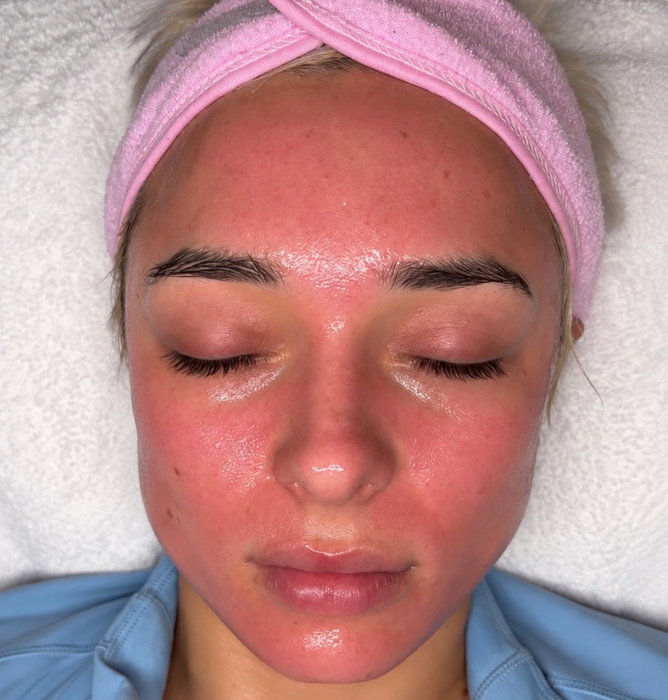
Downtime is usually modest. It's normal to see some redness and a warm, slightly tight feeling for a day or two, similar to a mild sunburn, which settles on its own. Keeping the routine simple in the days afterward helps the skin recover well.
For the first day or two, it's best to avoid makeup, vigorous exercise and heavy sweating, saunas, hot tubs, very hot showers, and active or exfoliating ingredients such as retinoids and acids. Daily broad-spectrum sun protection is especially important while the skin renews, and gentle, hydrating products support the barrier during recovery.
On safety, candidacy genuinely matters. Active acne or infection, an active cold sore, certain skin or autoimmune conditions, pregnancy or breastfeeding, and any known allergy to fish or marine-derived ingredients should all be raised before treatment. A free consultation lets Katia confirm the treatment is appropriate, adjust it, or suggest a better option for you.
- Expect mild redness and a tight, warm feeling for a day or two
- For 1-2 days avoid makeup, heavy sweat, saunas, hot tubs, and active ingredients
- Prioritise daily broad-spectrum SPF and gentle hydration while skin renews
- Disclose allergies, skin conditions, pregnancy, or breastfeeding at consultation
Why choose Beauty By Katia in Toronto for PDRN microneedling
Beauty By Katia is a Toronto medical-aesthetics studio on Yonge Street, where treatments are carried out by Katia, a certified medical aesthetician. PDRN microneedling is a treatment where technique, judgement, and honest guidance all matter, and Katia treats each client individually rather than applying a one-size-fits-all protocol.
Because polynucleotide treatments are still emerging, the studio leans on careful candidacy assessment, realistic expectations, and a build-it-up philosophy rather than overselling. Every plan starts with a free consultation because every skin type is different, and free follow-ups and aftercare are included for every client.
If you're searching for PDRN or polynucleotide microneedling in Toronto and want a warm, expert, unhurried experience, the best first step is a consultation. Microneedling with PDRN is $190 per session, including the PDRN serum.
Happy Clients
★★★★★ 5.0 on Google · 55 five-star reviews
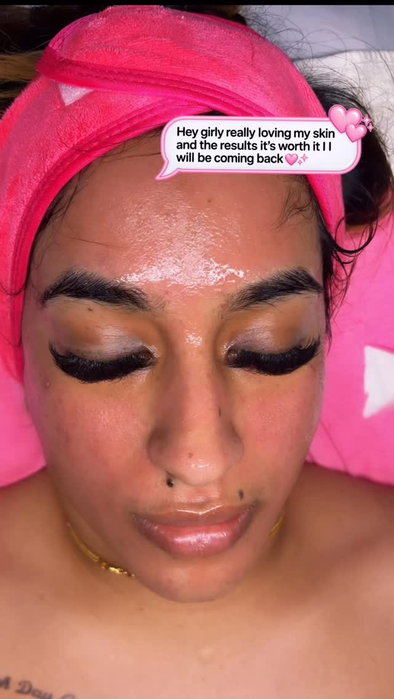
“Katia has been friendly and understanding from the beginning of my consultation to my appointments — my skin and acne scars have truly never looked better in just 3 sessions! Book with her to start your skincare journey.”
“Hands down, this was the best facial experience I've ever had. Katia was incredibly sweet, attentive, and so detailed with every step of my treatment. She made the whole appointment feel personalized and truly tailored to me. I left feeling refreshed and glowing. Highly recommend booking with her for your next skin refresh.”
“My experience with Katia was amazing from beginning to end. I found her on Instagram, sent her a pic of my face, and she correctly recommended the treatment that would best suit me. She is very knowledgeable and honest, and I really appreciate that. She made my first Zena algae peel experience very comfortable and the result is wonderful. I can't wait for my next appointment.”
Microneedling with PDRN questions
What is PDRN in microneedling?+
PDRN stands for polydeoxyribonucleotide — regenerative molecules made from purified DNA fragments. Applied with microneedling, PDRN is used to support skin repair, hydration and elasticity, making it popular for aging, dull or post-acne skin.
What's the difference between PDRN and exosomes?+
Both are regenerative add-ons. PDRN (polynucleotides) focuses on skin repair, hydration and elasticity, while exosomes deliver growth-factor signalling to boost healing. Katia can recommend which suits your skin at your consultation, or combine treatments over a plan.
How much does PDRN microneedling cost in Toronto?+
PDRN microneedling at Beauty By Katia is $190 per session, including the PDRN serum. You'll get a clear total before you book.
How many PDRN microneedling sessions do I need?+
Like microneedling generally, a short series of sessions spaced about 4 weeks apart gives the best results, with maintenance afterward. Katia will tailor a plan to your skin.
Is PDRN microneedling safe?+
When performed on suitable candidates by a trained professional, PDRN microneedling is generally well tolerated, with mild redness for a day or two being the most common effect. Safety depends on proper candidacy, technique, and aftercare, which is why a free consultation with Katia is recommended before booking. Individual responses can vary.
Is PDRN salmon-derived, and is that an allergy concern?+
The PDRN used in aesthetics is most often made from highly purified salmon or trout DNA, chosen for its compatibility with human DNA. If you have a known allergy to fish or marine-derived products, it's essential to mention this at your consultation so Katia can assess suitability or suggest an alternative.
Is PDRN approved in Canada?+
Polynucleotide and PDRN treatments are an emerging category, and regulatory status can differ by product and region, so it's important to be honest rather than make blanket claims. The most reliable way to understand how PDRN is offered and sourced at the studio is to ask directly during your consultation.
Does PDRN microneedling hurt?+
A topical numbing cream is applied and allowed to take effect before the microneedling pass, so most clients find the treatment comfortable. You may feel some warmth or mild sensitivity afterward, which typically settles within a day or two. Let Katia know about any discomfort during your appointment.
How soon will I see results from PDRN microneedling?+
Many people notice a fresher, more hydrated look within the first week or two, while the more meaningful improvements in texture and firmness build gradually over the following weeks as the skin remodels. Outcomes depend on your skin, plan, and aftercare, and results vary from person to person.